
Blog
The Ultimate Guide to Shampoo Bars: Everything You Need to Know


Related Posts
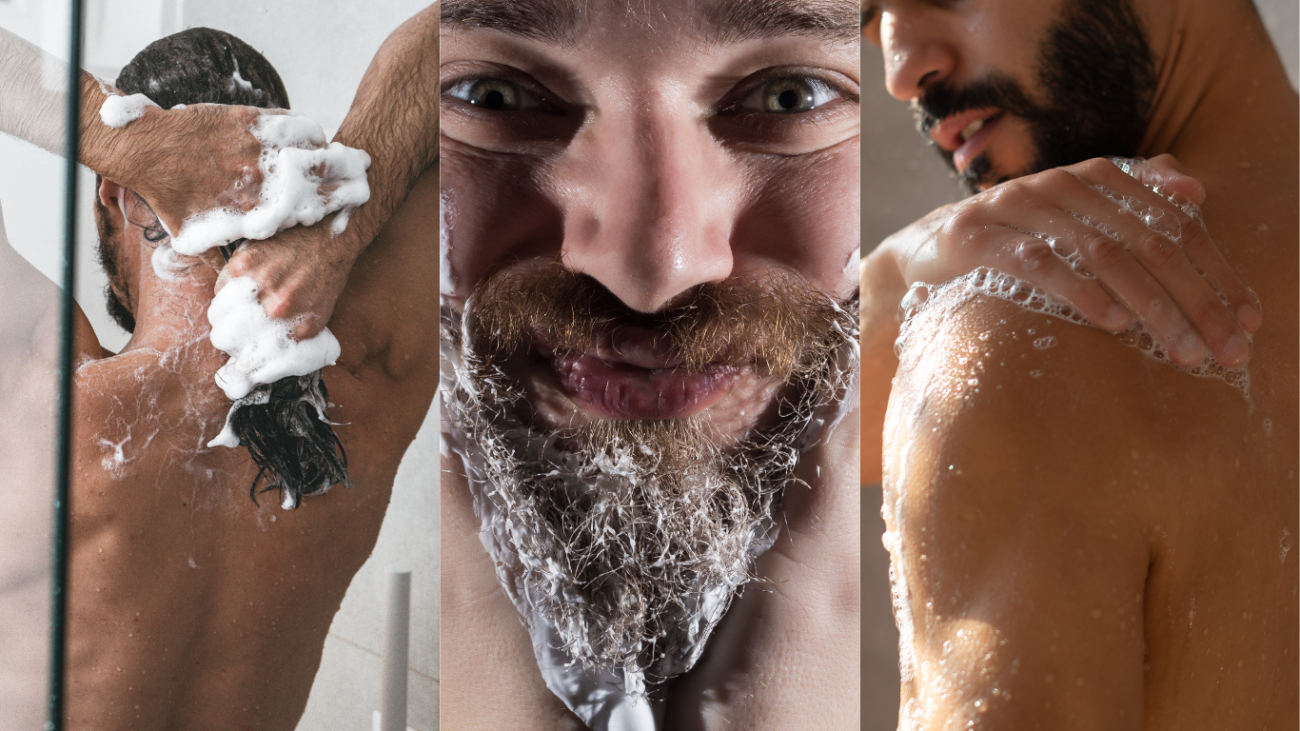
🎁 The Best Gift for Father's Day: A 2-in-1 Solid Shampoo That Has It All
Father's Day is coming up and choosing a useful, sustainable and special gift can be a challenge. If you are looking for a practical, eco-friendly and effective option, the 2 in 1 Solid Gel Shampoo is the best choice. 💡 A single product for hair, skin and beard.🌿 Natural ingredients without harsh chemicals.🧴...

Give love for the planet this Valentine's Day
Valentine's Day is the perfect time to show love, but how about this year we do it in a more conscious and sustainable way? Instead of the typical gifts with plastic wrapping and conventional products, we can surprise with details that take care of the person you love and the planet.In this article, we will discuss how to make the most of the...

Grandma's Soap: Recipe for Handmade Soap with Used Oils
Did you know that disposing of used oils can contaminate up to 1000 liters of water? Learn how to transform this resource into an ecological handmade soap and discover how to recycle used oils to protect the environment. In this article we show you the step-by-step recipe to make soap from used oils...

Give Life to Your Hair: Pink Clay Hair Mask for Radiant Hair
Would you like to give your hair an intensive and natural treatment? In this article we will teach you how to prepare a pink clay hair mask, ideal for revitalizing and nourishing your hair, and we will explain why finishing the treatment with our solid shampoo and coconut conditioner is the best option...

Natural Cosmetics: Take Care of Your Skin and Make a Difference for the Environment
What is Natural Cosmetics?Definition of Natural CosmeticsNatural cosmetics are characterized by the use of ingredients of plant and mineral origin, avoiding synthetic chemicals and artificial substances that can damage both the skin and the environment. These products focus on formulas based on essential oils, extracts...

What does the latest storm DANA teach us about our environmental responsibility?

Learn more here In recent weeks, storm DANA has hit several regions of Spain, leaving a trail of destruction in its wake. From devastating floods to property damage and loss of life, this meteorological phenomenon shows us in a raw and direct way how climate change is impacting the world.

What is Solid Shampoo and How Does it Work?
Introduction to Solid Shampoo Solid shampoo is an innovative and eco-friendly alternative to traditional liquid shampoos. With a base of natural ingredients and no need for plastic packaging, this type of shampoo offers a sustainable option for hair care. Discover how this product can transform your routine...

